BBC are ‘grooming... the British nation’ – Robin Aitken
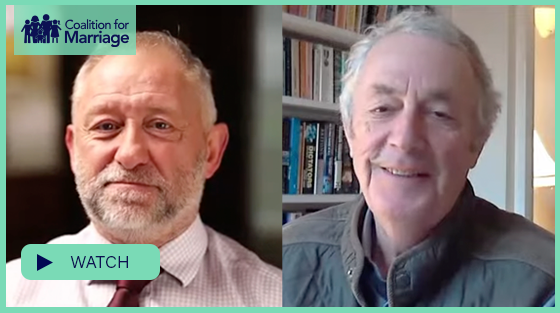
Robin Aitken spent 25 years at the BBC, including on the Today programme, before writing about what he came to see from the inside. He sat down with me to discuss how broadcasting shapes culture, and why that matters for marriage and family life. Listen to his full insights here:
Aitken’s central contention is that the BBC is not a neutral bystander. “I always say that the BBC has been involved in a long-term grooming process of the British nation.” In the same vein, he says the claim that “broadcasting does not affect culture is ludicrous”.
That has practical consequences. He describes the BBC as having a “worldview”, and says, “I think the BBC sees itself actually as a progressive organisation”, with that outlook affecting coverage of “a whole range of moral issues”. Marriage cannot be insulated from that cultural weather. When public institutions normalise instability, marriage as a lifelong union is easier to treat as optional, and divorce as routine.
Our wide-ranging conversation also touches on internal pressures in newsrooms and editorial decision-making, including claims aired in other outlets about identity-based groupings. One example discussed is the allegation that there is an LGBT committee which veto’s stories. Aitken also notes how hard it is to pretend personal convictions do not shape how journalists choose stories, observing that “people in those kind of jobs have strong views almost by definition”.
This discussion lands in the middle of a live debate about BBC standards and impartiality, including parliamentary scrutiny, Ofcom’s latest annual assessment of the BBC, the Government’s Charter Review and recent updates to the BBC Framework Agreement.
Latest ONS figures show that there were 216,901 marriages in England and Wales in 2023, 9.3% down on 2022. In the same year there were 100,787 divorces, with 74% granted under the new no-fault framework.
Broadcasting matters. A national broadcaster can reinforce, or erode, the social expectations around commitment and permanence that sit behind these choices. The public-interest case for marriage and family stability is strong, so the BBC should treat marriage as a serious civic institution, reflect the best evidence on family stability and child outcomes, and avoid presenting one ideological view of relationships as though it were ‘neutral’.
C4M exists to champion the gold standard of man-woman marriage and the right to speak for it, calmly and publicly. Many supporters take the same approach by writing to editors, challenging poor framing through formal complaints, and encouraging coverage that reflects evidence about family stability and child wellbeing. Thank you for all that you do.